Comprehending the Key Features of Pipeline Providers and Their Effect On Effectiveness
Pipeline solutions play a vital duty in different sectors, influencing functional performance noticeably. Key attributes, such as sophisticated tracking innovations and maintenance methods, are important for decreasing downtime. Additionally, governing compliance warranties safety and security and environmental management. However, the interplay between layout, infrastructure, and financial factors can make complex these processes. Comprehending how these elements impact overall performance raises important concerns concerning ideal methods and future developments in the field.
The Duty of Innovation in Pipeline Monitoring
As developments in modern technology continue to progress, the relevance of efficient pipeline monitoring has actually become progressively apparent. Modern pipeline systems depend on innovative surveillance tools that boost operational performance and security. Technologies such as real-time data analytics, sensing units, and drones supply operators with immediate understandings right into pipeline problems, allowing them to spot leaks, deterioration, and other prospective issues before they escalate into considerable troubles.
Moreover, the combination of Web of Things (IoT) tools has actually transformed traditional tracking approaches, enabling for constant security and automated reporting. This proactive approach not only reduces dangers however also optimizes upkeep schedules and source allowance. In addition, advanced software program systems facilitate information visualization and analysis, encouraging decision-makers to respond swiftly to abnormalities. Jointly, these technological innovations not only enhance pipe honesty however also foster environmental stewardship by alleviating the possible impact of leakages and spills.
Upkeep Approaches for Boosted Efficiency
Effective upkeep techniques are necessary for maximizing pipe efficiency. Carrying out anticipating maintenance techniques, adhering to routine inspection methods, and establishing durable emergency reaction strategies can significantly enhance functional reliability. These approaches not just reduce downtime yet additionally add to the overall safety and integrity of pipeline systems.
Anticipating Upkeep Strategies
Anticipating maintenance strategies are increasingly acknowledged for their ability to boost operational performance in pipe services. By leveraging information analytics and keeping an eye on technologies, these strategies enable drivers to expect tools failings prior to they occur. This proactive strategy decreases unexpected downtime, minimizes maintenance prices, and extends the life-span of essential possessions. Sensors and IoT gadgets play a crucial function in gathering real-time data, enabling for the analysis of tools health and performance fads. Machine knowing formulas analyze this information to recognize patterns and forecast potential problems. Subsequently, pipeline operators can set up upkeep activities throughout non-peak times, enhancing resource appropriation and making certain continual procedure. Inevitably, the fostering of anticipating maintenance fosters an extra trusted and efficient pipeline framework.
Routine Examination Protocols
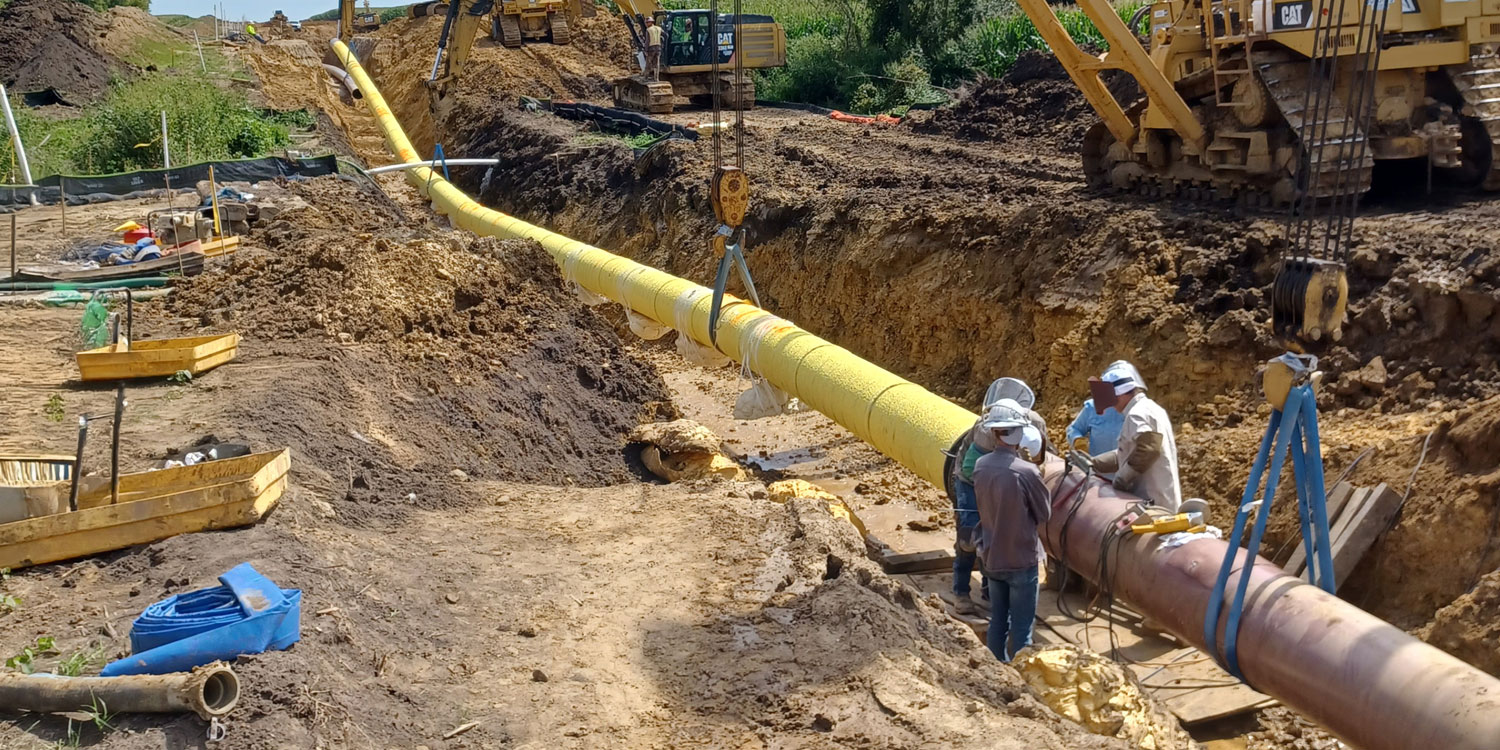
Regular examination methods work as a keystone of upkeep methods aimed at improving effectiveness in pipe procedures - Midland pipeline construction company. These procedures entail organized analyses of pipe honesty, concentrating on discovering prospective issues before they rise. Regular assessments commonly include visual analyses, leakage detection modern technologies, and stress surveillance to assure peak performance. By adhering to well established timetables, operators can identify corrosion, material wear, or obstruction, consequently reducing downtime and fixing costs. Furthermore, information collected during examinations can notify predictive maintenance efforts, permitting an aggressive approach to pipeline monitoring. Inevitably, regular inspections not only extend the lifespan of pipeline framework but likewise add to more secure and more trusted transportation of resources, reinforcing overall operational efficiency
Emergency Feedback Planning
Emergency situation reaction preparation is necessary for preserving performance in pipeline procedures, making certain that drivers are prepared to attend to unforeseen occurrences promptly and successfully. A well-structured emergency situation response strategy consists of clear protocols, assigned duties, and interaction methods to alleviate threats connected with pipeline failures. Regular drills and training boost group readiness and familiarize workers with emergency procedures. In addition, having readily offered sources, such as spill containment tools and emergency call checklists, can considerably reduce response times. By incorporating real-time monitoring innovations, operators can rapidly identify and respond to problems, minimizing ecological effect and operational downtime. Ultimately, an extensive emergency situation feedback plan not just safeguards properties and workers however likewise strengthens the total performance of pipe solutions.
Governing Conformity and Safety Specifications
Regulative compliance and safety standards play a necessary duty in the pipe solutions sector. Midland pipeline construction company. Sticking to sector policies ensures that firms execute effective safety methods and risk management techniques. This dedication not only secures workers and the environment yet likewise enhances total operational efficiency
Compliance With Industry Regulations
Compliance with market guidelines is important for making certain the safety and security and efficiency of pipeline operations. Governing structures, such as those established by the Environmental Defense Agency (EPA) and the Pipeline and Hazardous Materials Safety And Security Management (PHMSA), set rigid standards that operators should comply with. These guidelines cover numerous aspects, consisting of pipeline style, construction, upkeep, and monitoring, ensuring that systems operate safely and successfully. Non-compliance can cause extreme charges, functional delays, and Read Full Article environmental threats. By sticking to these regulations, pipeline companies not only secure public security and the atmosphere yet likewise enhance their functional efficiency. Ultimately, governing compliance cultivates trust fund amongst stakeholders, guaranteeing that pipeline solutions can run flawlessly in an affordable landscape while satisfying legal commitments.
Security Procedure Implementation
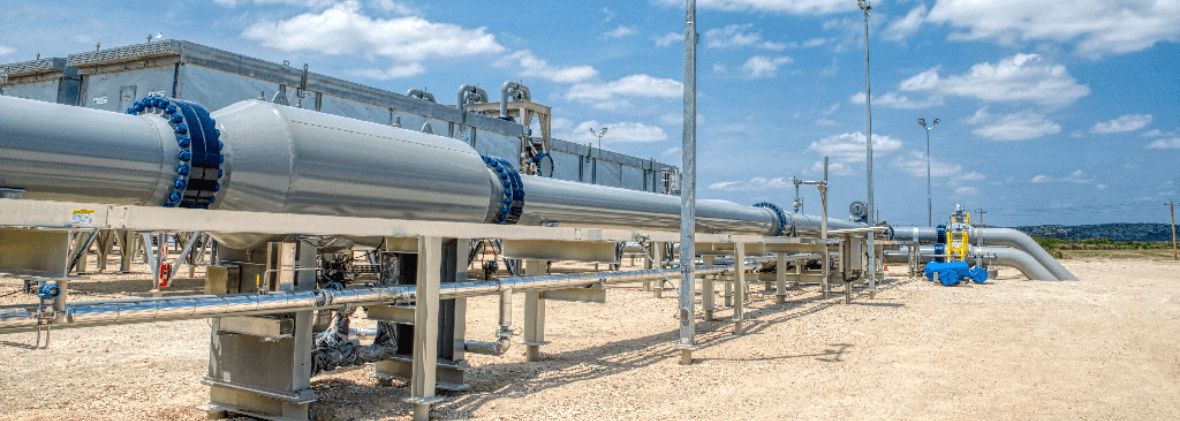
Effective security protocol execution is a crucial component of pipe operations, carefully linked to regulative compliance and security requirements. Sticking to these protocols not just guarantees the protection of employees however likewise safeguards the atmosphere and facilities. A robust safety and security structure includes routine training, comprehensive examinations, and using appropriate safety and security equipment. Organizations should remain alert in updating their protocols to mirror modifications in regulations and technological improvements. Compliance with well-known security standards reduces the risk of accidents and boosts operational performance. In addition, a society of safety and security promotes employee involvement and responsibility, contributing to overall organizational success. Eventually, reliable security method implementation is critical in preserving the honesty of pipeline services and attaining long-lasting sustainability in procedures.
Threat Management Strategies
Implementing robust threat management strategies is essential for ensuring that pipe operations abide by regulative needs and safety and security requirements. Organizations has to determine potential dangers and evaluate risks linked with pipeline activities. This involves carrying out extensive examinations, making use of advanced surveillance innovations, and maintaining conformity with sector guidelines. Regular training for employees on safety methods improves situational awareness and prepares teams to respond successfully to emergency situations. Additionally, developing contingency strategies and carrying out drills can greatly alleviate threats. Teaming up with regulative bodies ensures placement with evolving safety and security standards. By focusing on risk monitoring, pipe solutions can enhance functional efficiency while securing both the atmosphere and public security. Eventually, an aggressive approach to run the risk of administration promotes a culture of security within the sector.
Pipeline Layout and Infrastructure Considerations
How can the layout and facilities of pipes influence overall operational effectiveness? The configuration of pipes plays an important role in determining their effectiveness. Efficient design minimizes friction losses, hence decreasing energy usage throughout fluid transport. Aspects such as diameter, material option, and design directly impact flow rates and upkeep demands.
Furthermore, calculated placement of shutoffs and keeping track of systems boosts operational control and security. Midland oilfield pipeline services. Infrastructure considerations, including accessibility for repair and maintenance, significantly affect downtime and overall productivity
Incorporating sophisticated modern technology for real-time tracking facilitates timely detection of leakages or ineffectiveness, guaranteeing swift responses to concerns. The general architectural stability, influenced by product durability and ecological factors, likewise shapes long-lasting operational success. Subsequently, thoughtful design and robust framework are crucial for making the most of pipe effectiveness, ultimately adding to the dependability and success of pipe services.
Ecological Influence and Sustainability Practices
While the need for pipe services remains to expand, understanding the ecological effect and adopting sustainability methods has come to be significantly crucial. The building and procedure of pipes can notably impact communities, wildlife environments, why not check here and water sources. To alleviate these effects, business are executing sophisticated innovations and methods focused on reducing exhausts, avoiding spills, and reducing land disruption.
Sustainability initiatives commonly include using eco-friendly materials, boosting energy effectiveness, and employing renewable resource resources Discover More Here to power procedures. Furthermore, companies are increasingly performing detailed ecological evaluations before task initiation, ensuring conformity with regulations and stakeholder involvement.

Expense Administration and Financial Variables in Pipeline Providers
As the pipe market expands, efficient cost administration and understanding financial variables end up being necessary for maintaining competition. Companies encounter numerous economic stress, including varying material prices, labor costs, and governing compliance charges. To navigate these difficulties, pipe service providers need to adopt calculated financial planning and budgeting techniques.
Investing in technology can boost operational efficiency, ultimately decreasing expenses in time. In addition, efficient project administration assurances that resources are designated effectively, lessening hold-ups and unexpected costs.

Market conditions, such as demand for power and geopolitical elements, also affect economic viability. Firms must stay active, changing their methods in feedback to these exterior factors.
Frequently Asked Concerns
What Are the Different Types of Pipeline Services Available?
Various sorts of pipe solutions include transportation, storage, upkeep, inspection, and repair. Each solution plays a vital function in ensuring the seamless activity of materials, enhancing safety and security, and reducing operational interruptions throughout various industries.
Just How Typically Should Pipeline Inspections Be Conducted?
Pipeline examinations must be performed frequently, commonly every one to 3 years, depending on the kind and problem of the pipeline. A lot more frequent assessments might be required for older or risky pipelines to ensure safety and honesty.
What Are the Main Causes of Pipeline Failings?
The main reasons of pipeline failures consist of corrosion, damaged building, product defects, external damages, leaks, and functional errors. Each aspect contributes substantially to prospective dangers, highlighting the significance of regular upkeep and tracking for safety and security.
Just How Can Companies Improve Pipeline Service Dependability?
Business can enhance pipeline service dependability by applying regular maintenance timetables, making use of advanced tracking modern technologies, conducting comprehensive assessments, buying employee training, and embracing proactive danger management approaches to anticipate and minimize prospective failings.
What Function Do Operators Play in Pipeline Solutions?
Operators play a necessary function in pipeline services by guaranteeing safe transportation, keeping tools, checking system stability, collaborating maintenance, and replying to emergency situations. Their proficiency directly affects functional efficiency and reduces disruptions in service shipment.